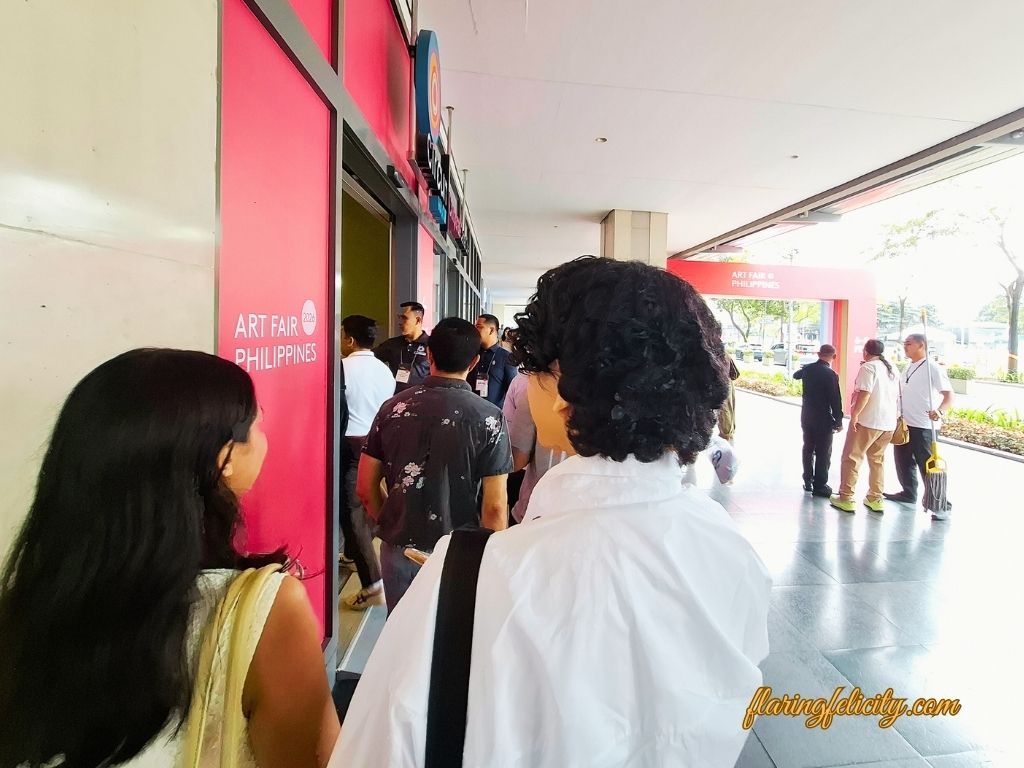
February marks Art Month in the Philippines, and for many creatives like me, it simply means one thing — time for Art Fair Philippines.
This event has always been something I look forward to each year. It’s not just an exhibit. It’s an immersion. A reset. A reminder of why art still matters.
After taking a pause from attending in the past couple of years, I felt genuinely excited to sign up again. My last visit was at The Link, and this time, the fair moved to Circuit Corporate Center — a fresh venue that gave the experience a slightly different energy.
And I was ready for it.
Arriving at Circuit Makati: What to Expect
I arrived on a Saturday around lunchtime — and yes, the line was already long.
Visitors were queuing for the elevators, but what I appreciated most was the smooth organization. Security and assistance were present from the entrance all the way up the building. It felt structured and well-managed.
I booked my ticket online, which made things easier. Claiming my day pass at the fifth floor was quick. Once inside, I checked the exhibit map and noticed that displays were spread across multiple levels.
Here’s a strategy tip for future visitors:
Instead of queuing upward floor by floor, I went straight to the top — the eleventh floor — and worked my way down. The upward queues were noticeably longer, so starting from the top saved time and energy.
Small decisions like this make a big difference in crowded events.
Top 3 Highlights from My Art Fair Philippines 2026 Experience
1. The Art: Inspiration Across Mediums
The biggest highlight? Pure inspiration.
From sculptures to paintings, installations, interiors, and architectural expressions, the diversity of works at Art Fair Philippines 2026 was striking. Each floor offered a different rhythm — some quiet and minimalist, others bold and technically complex.
What captured my attention most were the digital art creators, particularly those from Korea, Japan, and China. Their works felt immersive and technologically advanced, yet emotionally layered. They blurred the line between traditional art and contemporary innovation — something increasingly visible in the Philippine art scene.
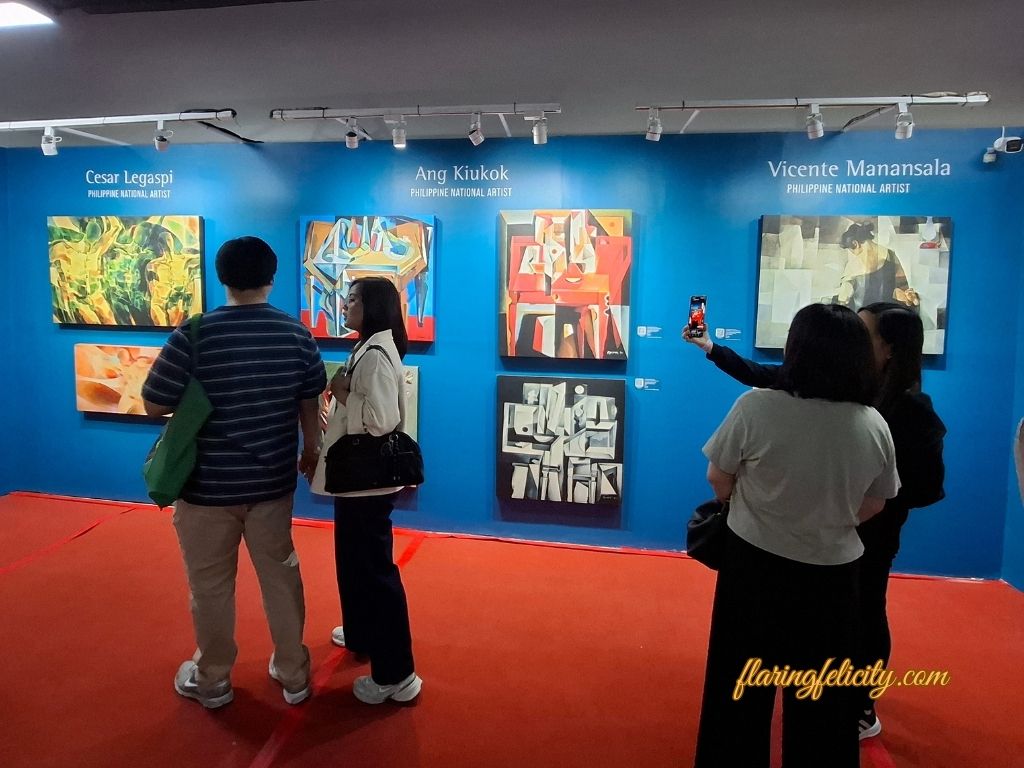
One space where I intentionally slowed down was the BPI booth featuring works of the National Artists of the Philippines. Sitting there allowed me to appreciate the pieces without rushing. It reminded me that art deserves presence.
A curated exhibition space by BPI showcasing works by renowned Philippine National Artists, including Cesar Legaspi, Ang Kiukok, and Vicente Manansala. The display features framed paintings arranged on clean gallery walls, highlighting distinct modernist styles — from Legaspi’s layered figurative compositions to Kiukok’s expressive intensity and Manansala’s signature transparent cubism. The exhibition presents a powerful visual narrative of Philippine modern art within a contemporary fair setting.
I spent nearly four hours exploring the exhibits across multiple floors at Circuit Makati, and it never felt exhausting. The themes were varied enough to sustain curiosity the entire time.
I also appreciated the interactive installations and pieces that naturally served as immersive backdrops. While most artworks already provided visually compelling settings, I found myself wishing for more designated photo areas. In today’s digital culture, documenting art experiences is part of engagement. Visual storytelling has become an extension of the exhibit itself.
If you’re an artist, collector, or creative entrepreneur, attending Art Fair Philippines is more than viewing art — it’s exposure to possibility.
2. The Talk: #ArtSpeaks and the Value of Story
Beyond walking through exhibits, I attended one of the #ArtSpeaks sessions titled “Private Collecting Today.” The talk featured George Soo and JV Conbankiat discussing art collecting, value, and storytelling.
Listening to them added intellectual depth to my Art Fair Philippines 2026 experience.
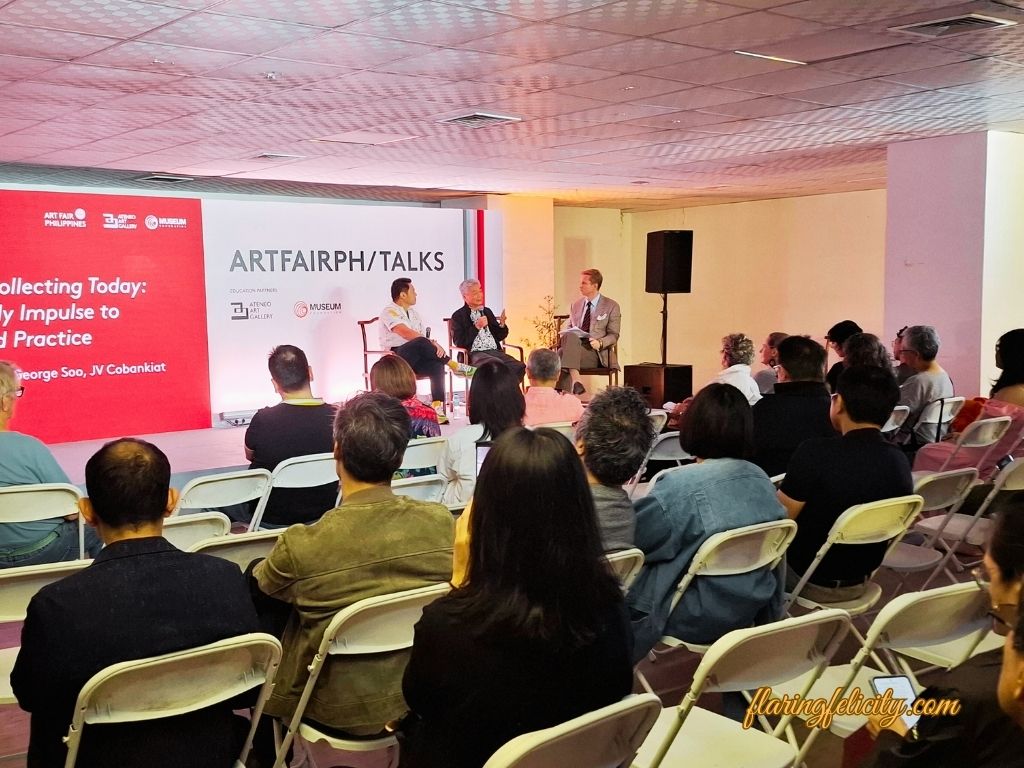
George Soo shared a powerful reflection:
“Art is putting a value that has no value.”
He spoke about how he collects pieces not based on market trends or prestige, but on emotional resonance. What moved me most was when he described artworks as if they were babies — each one adopted with equal love, regardless of its perceived worth. In that moment, collecting shifted in my mind from being about ownership to being about stewardship.
That perspective deeply resonated with me, especially as I reflect on my own journey preparing for my solo exhibit, The Space I’m In. Like Soo’s approach to collecting, my current exploration of ink on paper feels less about producing something “valuable” in the conventional sense and more about responding to what feels honest and present. It reminded me that art does not need external validation to matter — its value often lies in the quiet, personal connections it creates between the work, the artist, and the viewer.
Hearing this reframed not only how I think about collecting, but also how I think about creating: that perhaps the true worth of art is not in its price or recognition, but in its ability to hold meaning, memory, and emotion.
JV Conbankiat added:
“As an artist, if you know people can get the story, you have succeeded in a good way.”
That line stayed with me.
As an aspiring artist and writer, storytelling is central to my work. Whether through visual art, exhibitions, or written reflections on FlaringFelicity.com, I want people to feel the narrative behind what they see.
The #ArtSpeaks session affirmed that success in art is not only technical mastery. It is resonance. When the audience understands the story, the work has done its job.
3. The People: Conversations That Made Me Feel Welcomed
One of the unexpected highlights of my visit to Art Fair Philippines 2026 was simply observing the crowd — curators, artists, students, collectors, and visitors from different age groups and nationalities. As I walked between galleries, I heard French and American accents alongside familiar local voices. That cultural mix added another layer of energy to the event and reflected how Manila’s art scene continues to expand globally.
What surprised me most, however, was being approached — first by a gallery assistant, and later by a gallery owner. We had brief but meaningful conversations about art, exhibitions, and creative practice.
In previous years, I would usually be the one initiating these interactions. This time, I didn’t.
Being approached instead made me feel welcomed and at ease — as if I belonged in the space without needing to prove anything. It reminded me that art fairs are not only platforms for displaying work, but also spaces for connection, dialogue, and shared curiosity.
That sense of openness naturally extended to the artworks and artists I encountered.
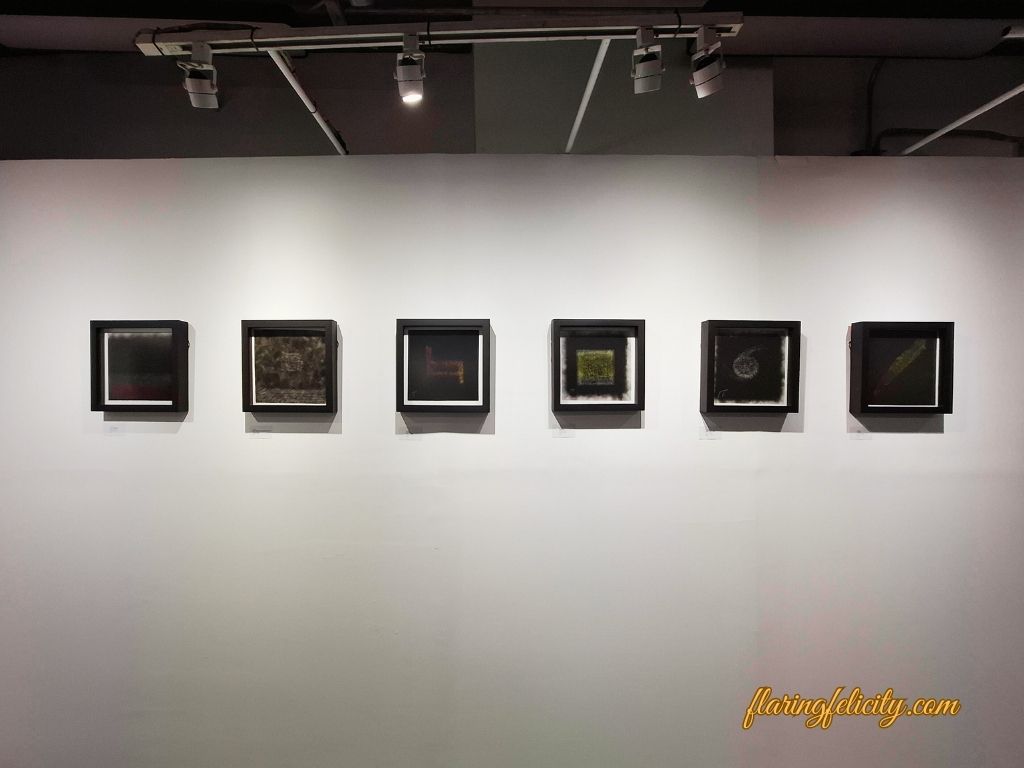
One of the most memorable conversations was about the work of Junyee, a pioneering figure in Philippine installation art known for transforming natural and everyday materials into contemplative explorations of impermanence and environmental connection.
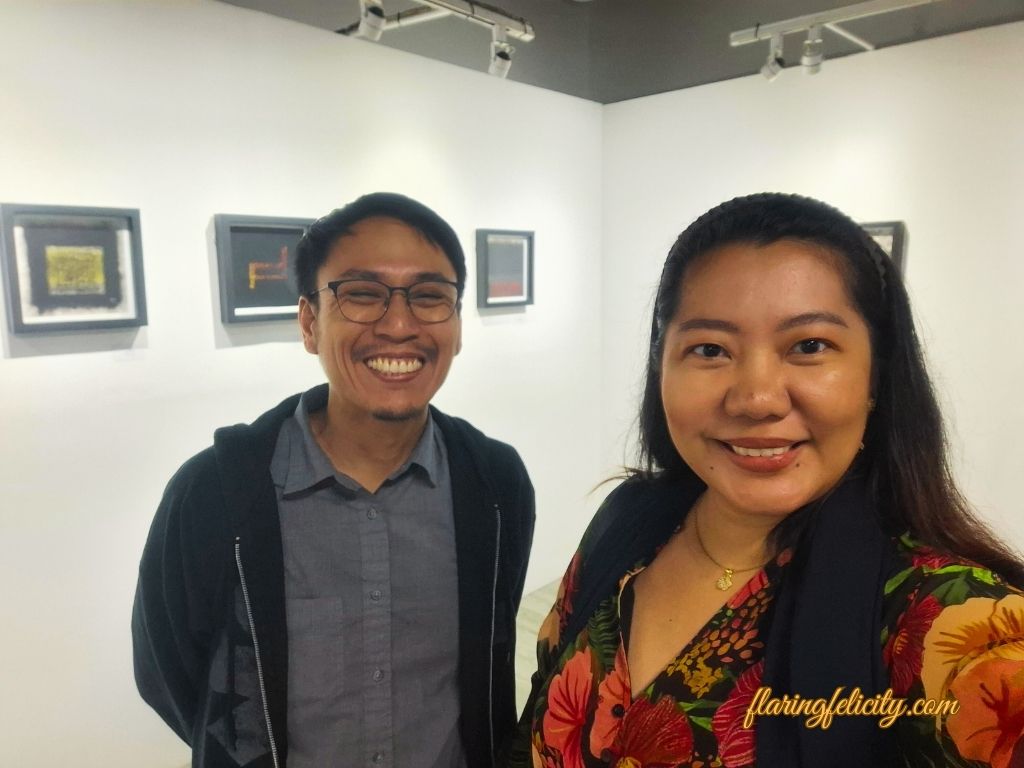
His recent soot series, presented by Japan-based YOD Gallery, uses carbon residue applied onto metal and fabric to create atmospheric compositions that evoke light emerging from darkness. The works felt quiet yet powerful — grounded in material, yet expansive in meaning.
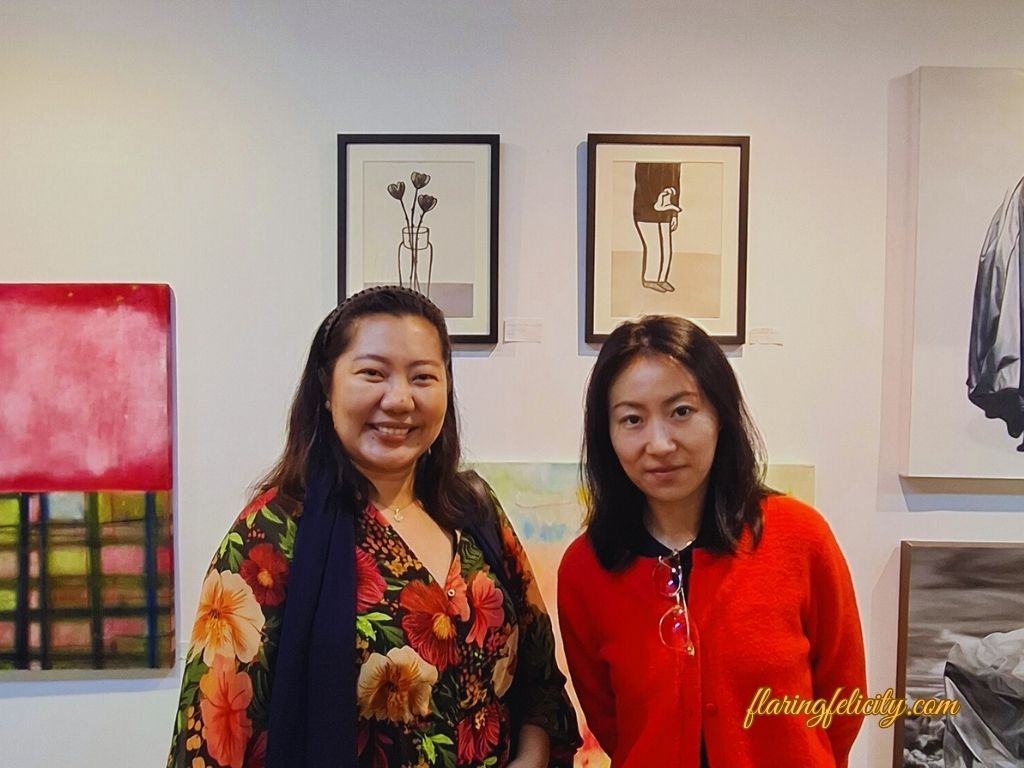
Another conversation introduced me to discussions surrounding Liu Bolin, the Chinese contemporary artist famous for his camouflage-based photographic performances. Representatives from ZAZA Galerie, a Tokyo-based contemporary gallery, spoke about his work as an example of contemporary Asian conceptual practice that explores identity, visibility, and the relationship between the individual and the environment.

Bolin’s work resonated deeply with me because of how he transforms restraint into something profoundly expressive — a quality I’m currently exploring in my own practice as I work with ink on paper for my solo exhibit, The Space I’m In.
That quiet tension between presence and absence also reminded me of another piece that stayed with me at the fair: “Ain’t Sharp Enough” by Malaysian contemporary artist Syahbandi Samat, whose intricate works combine drawing, text, and layered narratives about identity and cultural memory.
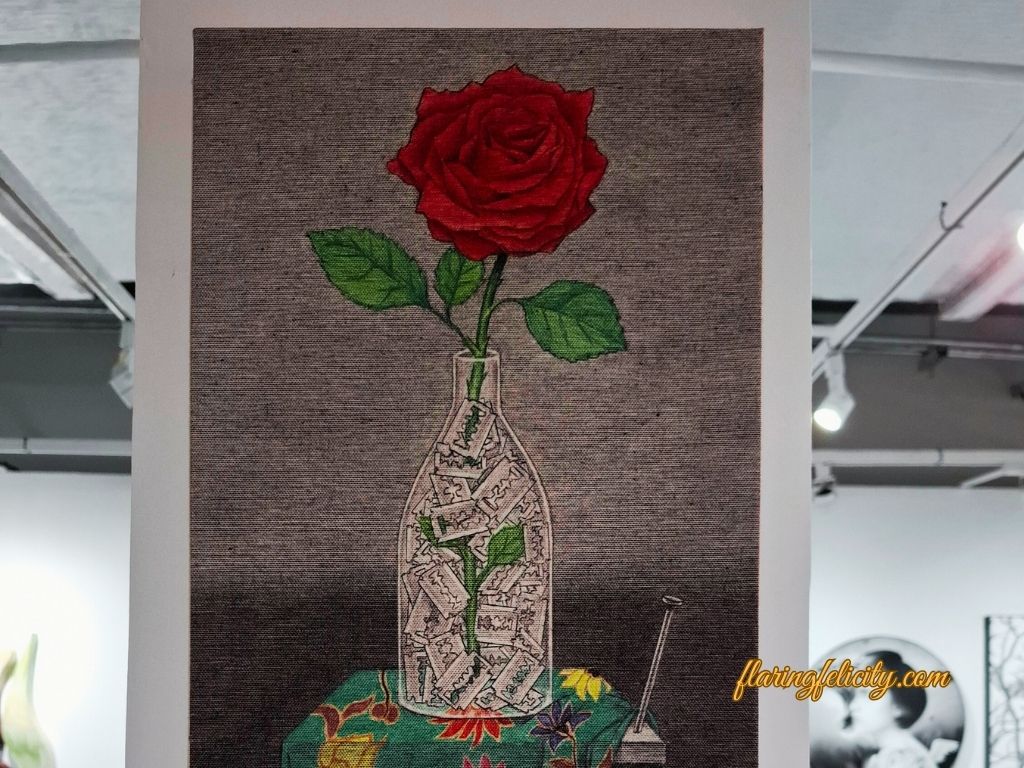
Both artists share a subtle yet powerful approach — inviting viewers to look closer, sit with ambiguity, and find meaning in quiet contrasts. From Bolin’s disappearing figure to Samat’s delicate visual language, I found myself drawn to artists who speak softly yet leave a lasting imprint.
Want me to share my top Art Fair Philippines 2026 favorites? Stay tuned for my next blog post.
Final Thoughts: Why I’ll Keep Coming Back
Art Fair Philippines 2026 felt like a creative homecoming.
New venue.
New layout at Circuit Makati.
New energy.
But the same spirit of innovation and cultural celebration that defines Art Month in the Philippines.
Spending four hours immersed in art, conversations, and creative inspiration reminded me why I continue to build and curate my own artistic spaces — whether through exhibits, storytelling, or reflective writing.
Events like Art Fair Philippines don’t just showcase talent.
They expand perspective.
And for artists, writers, and creatives navigating their own seasons of growth — that expansion is everything.



Leave a Reply